Most first-time visitors to Kenya’s south coast head straight for the beach chairs at Diani. Few look inland at the tangled green forest lining the creeks behind it. That is starting to change. Kwale County has spent the past few years restoring hundreds of hectares of degraded mangrove forest. 2026 has brought a wave of new boardwalks, community projects, and funding partnerships built around it. Touring Insights breaks down what is happening on the ground, where you can see it, and what it costs to visit.
Why Mangroves Became a Kwale Conservation Priority
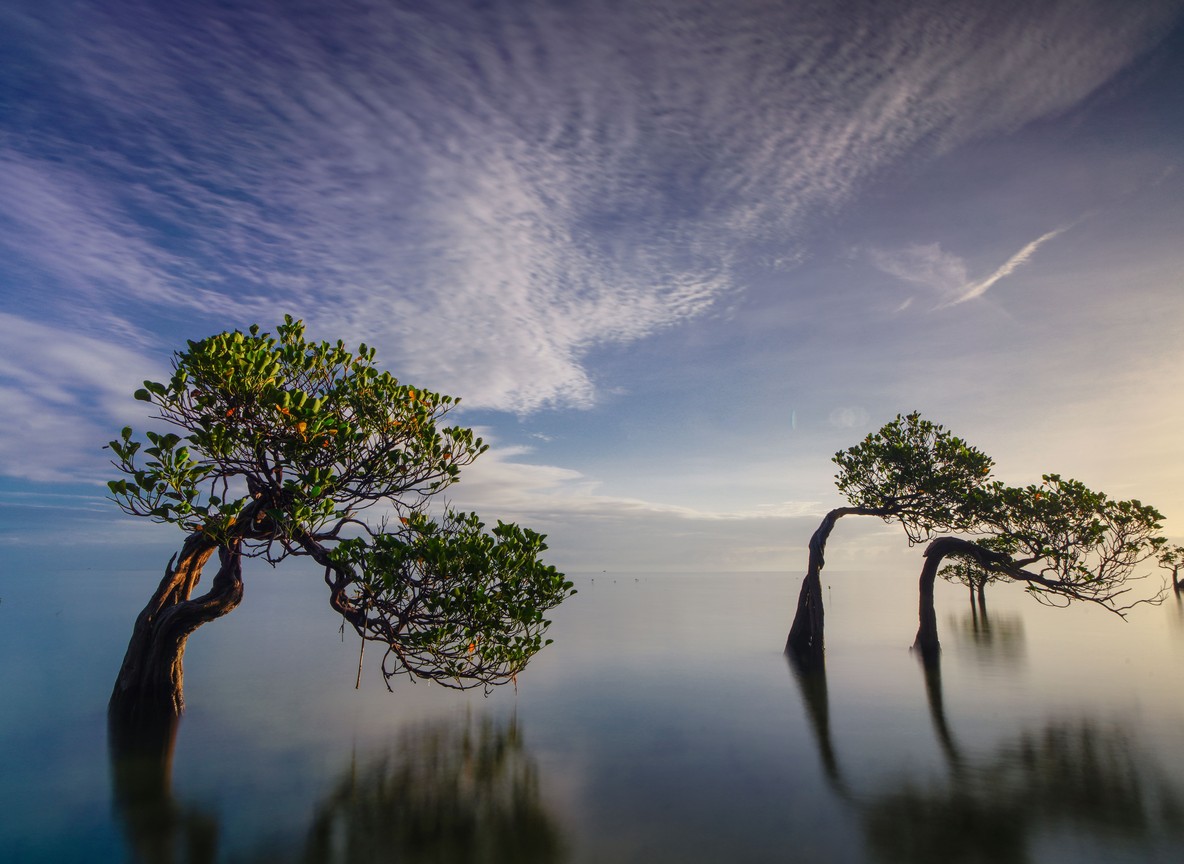
Mangrove forests line the tidal creeks and bays from Mombasa down to the Tanzania border. Kwale County holds some of the healthiest stretches left in Kenya. These forests trap far more carbon per hectare than most tropical rainforest, which is why researchers call them blue carbon. They also nurse young fish and prawns that later stock the reef fisheries offshore. Their root systems buffer the shoreline against storm surge and erosion too. Decades of charcoal cutting and unregulated building thinned large sections of this forest along the Kwale coastline. The restoration push now underway is an attempt to reverse that, plant by plant, community by community.
Where the Restoration Is Actually Happening
Three sites anchor the current push, each with a different story and a different visitor experience.
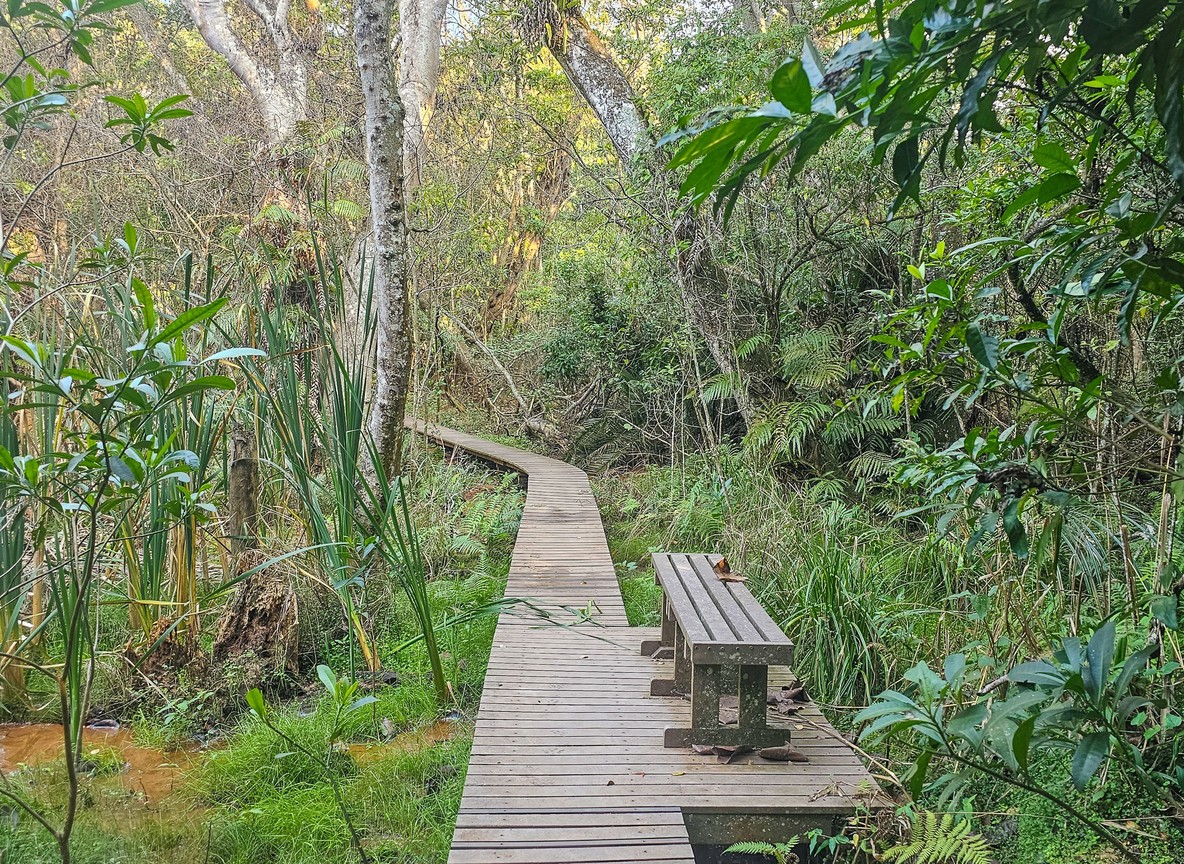
Gazi Bay is the origin point. Its Mikoko Pamoja project launched in 2013 as the world’s first blue carbon mangrove scheme. It sells verified carbon credits through the Plan Vivo standard and channels the income into local schools and clean water. The Gazi Women Mangrove Boardwalk group runs a wooden walkway through the forest and offers guided walks explaining the different mangrove species. Group members also sell Swahili dishes to visiting groups after the walk, adding another small income stream.
Further south, the Vanga Blue Forests project covers roughly 1,100 acres of mangrove around Vanga Bay, close to the Tanzania border. It is backed by the Kenya Forest Service, the Kenya Marine and Fisheries Research Institute, and international partners including the UNEP/Global Environment Facility and Germany’s Blue Action Fund. Community carbon income here now runs higher than at Gazi.
Closer to the tourist strip, a new Diani-Chale Mangrove Boardwalk opened on 22 April 2026. UNEP’s GO Blue programme funded it, and the Wildlife Research and Training Institute built it with Kenya Wildlife Service. Tourism and Wildlife Cabinet Secretary Rebecca Miano and Kwale Governor Fatuma Achani both attended the launch. Volunteers planted 20,000 mangrove seedlings there in a single day.
Inland from these three, residents of Mwamdudu community have restored roughly 288 hectares of mangrove forest. They are now pushing county and private investors for ecotourism jobs. The goal is to make the conservation work pay locally, rather than depend on outside grants indefinitely.
Gazi Bay vs Vanga Blue Forest vs Diani-Chale: How the Three Sites Compare
| Site | Distance from Diani Beach (approx.) | What it’s known for | Visitor experience |
|---|---|---|---|
| Gazi Bay (Mikoko Pamoja) | 15-20 km south, 30-40 min drive | World’s first blue carbon mangrove project, running since 2013 | Community-guided boardwalk walk, Swahili lunch option |
| Diani-Chale Mangrove Boardwalk | 10-15 km south, near Chale Island | Newest boardwalk, opened April 2026, government-backed | Short, easy walk, best for a half-day add-on |
| Vanga Blue Forest | 75-90 km south, 2-2.5 hr drive | Largest carbon project area, close to Tanzania border | Community visits by arrangement, less set up for casual tourism |
Who Is Funding This and Why It’s Growing So Fast
Money and momentum have converged on Kwale’s mangroves in 2026. Portugal’s Camões Institute and the Aga Khan Foundation launched the Gazi Bay Coastal Restoration and Eco-Tourism initiative, known as G-CORE. It targets 65,000 new mangrove seedlings around the bay. Separately, the I&M Foundation has pledged support toward planting 1,563,000 more mangroves across Kwale by the end of 2026. Add the UNEP-funded Diani-Chale boardwalk and the long-running Vanga Blue Forest carbon deal. Kwale has become the most heavily funded stretch of mangrove coastline in the country. County officials are explicit about the next phase. It is ecotourism jobs, guiding, boardwalk fees, and homestay income, not just tree planting.
What Mangrove Restoration Means for the Wider Coast
A healthier mangrove belt does more than look good on a nature walk. Fishermen around Gazi and Vanga report better prawn and mud crab catches in creeks where the forest has recovered. Local guides note that kingfishers, mangrove crabs, and mudskippers have become reliable sightings again. Those sections were bare mudflat a decade ago. A dense root system is also a cheaper form of erosion control than a sea wall, which matters on a coastline facing heavier storm surge each year. Coral reef surveys further offshore near Kisite-Mpunguti have linked healthier nearshore water clarity to these recovering creeks, since the roots filter sediment before it reaches the reef. None of this replaces the reef diving and marine park trips that draw most visitors to this stretch of coast. It gives them a second, land-based reason to stay an extra day.
Kwale Mangrove Ecotourism Planning Facts
| Detail | Figure |
|---|---|
| Vanga Blue Forest project area | approx. 1,100 acres (about 4.5 km2) |
| Mwamdudu community restoration area | approx. 288 hectares (2.88 km2) |
| Diani-Chale boardwalk build cost | Sh5.7 million (indicative USD 40,000-45,000) |
| Seedlings planted at Diani-Chale launch (single day) | 20,000 |
| I&M Foundation pledge (mangroves by end of 2026) | 1,563,000 seedlings |
| G-CORE target seedlings (Gazi Bay) | 65,000 |
| Diani Beach to Gazi Bay drive | approx. 30-40 minutes |
| Diani Beach to Vanga Bay drive | approx. 2-2.5 hours |
| Nearest airstrip | Ukunda Airport (Diani), approx. 35-40 min flight from Nairobi Wilson |
| Mikoko Pamoja boardwalk guided walk fee (indicative) | USD 5-10 per person |
Fees at community-run sites go directly to the local group managing the boardwalk, so paying the posted rate rather than negotiating it down matters more here than at a typical park gate.
How to Visit Responsibly
- Book a guided walk through the Gazi Women Mangrove Boardwalk group or your camp’s front desk rather than wandering the mudflats alone, since the paths avoid sensitive root and nursery zones.
- Ask whether your driver can combine a Gazi Bay or Diani-Chale stop with a Kisite-Mpunguti or Shimoni marine day trip, since the routes run close together on the same road south.
- Skip low tide for photography if you want to see the boardwalk at its best, since exposed mudflats look far less dramatic than a full tidal creek.
- Carry small notes in Kenyan shillings for community fees and guide tips, since these sites rarely have card payment set up.
Explorer Notes
Go early. Mangrove creeks are calmest and coolest in the first two hours after sunrise. Tides also run higher then, which makes for better photos of the boardwalk reflecting in the water. Ask your guide at Gazi to point out the difference between red mangrove prop roots and the pencil-like breathing roots of the black mangrove. It is a small detail that makes the rest of the walk make more sense. If you are staying in Diani, the new boardwalk near Chale fits into a single afternoon without cutting into beach time. Gazi and Vanga suit an overnight or a full day trip further south instead. Bring closed shoes rather than sandals. Boardwalk decking can be slick with morning dew, and side paths sometimes dip into soft mud.
FAQ
What is Mikoko Pamoja and where is it? Mikoko Pamoja is a community-run mangrove conservation project at Gazi Bay in Kwale County. Launched in 2013, it was the world’s first project to sell verified blue carbon credits, and it funds local schools and water projects from the income.
Is the Diani-Chale Mangrove Boardwalk open to tourists now? Yes. It opened on 22 April 2026, built with UNEP GO Blue programme funding and implemented by the Wildlife Research and Training Institute alongside Kenya Wildlife Service.
How far is Gazi Bay from Diani Beach? Gazi Bay sits about 15-20 km south of Diani Beach, a drive of roughly 30-40 minutes depending on the road.
Can I combine a mangrove visit with a Kisite-Mpunguti Marine Park trip? Yes. Gazi, Diani-Chale, and the Shimoni jumping-off point for Kisite-Mpunguti sit along the same southern coast road, so many operators combine a mangrove stop with a marine park or dolphin-watching day.
Do mangrove tours cost much? Community boardwalk fees are modest, typically in the range of a few dollars per person, and go directly to the local group maintaining the site rather than to a national park authority.
Kwale’s mangroves are turning into one of the more interesting add-on days on Kenya’s south coast. The county is actively looking for the ecotourism demand to match its restoration work. Check the Tour Packages page for coast itineraries that slot in a Gazi Bay or Diani-Chale stop. Or ask your operator directly which mangrove site fits best alongside your existing beach or marine park plans.